
16 April 2026
In a world where trade routes vary due to geopolitics, technological upheaval, and economic instability, carriers have found themselves navigating turbulent waters. Nowadays, the shipping and logistics industry reacts dynamically to trends like digitization, sustainability regulations, and changing cargo demands rather than following predictable patterns.
This change highlights the necessity of global collaboration and collective progress. Such a need was highlighted during the WTCalliance's Annual General Meeting (AGM), 2025, a crucial global logistics event where freight forwarders, shipping specialists, and supply chain leaders discussed how to rethink resilience in international trade.
The core issue addressed at the freight forwarding conference 2025 was the fragmentation of global supply chains. Disruptions such as congestion at ports, trade prohibitions, and digital inconsistencies between carriers & forwarders have led to inefficiencies in recent years.
While digitization has improved several aspects of the shipping and logistics business, synchronization across global and local networks remains a hurdle. Freight forwarders frequently operate in segregated digital environments, resulting in limited data exchange and visibility.
This problem is more than just technical; it is also relational. Many freight forwarding companies confront difficulties in working with similar agents in other countries who adhere to the same quality standards & service reliability. When trust is insufficient, operational collaboration suffers.
Delegates from all over the world gathered during the registration process, which marked the beginning of the worldwide logistics conference.
.jpeg)
During the AGM’s international shipping conference, a number of representatives gave firsthand examples of how supply chain fractures affect the day-to-day operations of forwarders.
Over the last decade, several digital products have promised to "solve" freight management complexity, including track-and-trace systems, enterprise resource planning software, and freight visibility dashboards. However, these tools fail to address the emotional and relational component essentials in logistical cooperation.
Most FreightTech solutions are transactional in nature, such as rate management and document sharing, rather than encouraging collaboration and mutual trust. Furthermore, smaller and mid-sized freight forwarders face difficulties accessing the premium digital environments used by global carriers. This imbalance leads to partial digitization and restricted network accessibility.
Many forwarders have turned to alliances & chambers, but those with limited reach and inconsistent participation fail to provide ongoing value. Without an ecosystem that brings together training, collaboration, and technology, the gap persists.
To put it into perspective, McKinsey & Company indicates that global logistics costs could rise by up to 15% by 2030 if cross-border supply chain collaboration stays fragmented.
The WTCalliance AGM 2025 was driven by a single vision: improving freight forwarder relationships via trust, innovation, and technological advancement. WTCalliance functions as a solution ecosystem, in contrast to traditional alliances, where logistics companies can connect and expand through organized cooperation.
The WTCalliance platform connects forwarders all around the world according to shipment profiles, sector specialization, and dependability criteria. Performance audits are used to verify members, guaranteeing that new partnerships are based on trust rather than uncertainty.
Forwarders can obtain updated shipment tracking information, verified agent contact information, and international partner directories via digital member dashboards. The main topic of discussion at the supply supply chain leadership event is improving network visibility while preserving security and data integrity, and this digital transparency fits that description.
The Freight Forwarder Conference 2025 sessions also highlighted the Alliance's professional development effort. Members have access to continuous learning opportunities centered around new developments in logistics, such as sustainability courses and digital workshops.
The unveiling of international collaboration hubs in Europe, Asia, & Latin America by WTCalliance was another significant event. These hubs will enable freight forwarders to better collaborate with local partners and leverage shared infrastructure including bonded warehousing & customs compliance systems.
This method assures that freight forwarders from developing countries have equal access to global trade possibilities, a step that redefines inclusion in the shipping and logistics industries.
The WTCalliance AGM 2025 focused on concrete outcomes rather than abstract discussions. Here are the key headlines and announcements from the global logistic conference:
Such efforts demonstrate the WTCalliance's commitment to converting freight forwarding out of a transactional operation to a collaborative worldwide community.
While digital creativity dominated the discussion, WTCalliance officials emphasized an often-overlooked theme: human connection. The freight forwarding has always been based on trust. Digital transformation must empower, not replace, it.
Panelists from various regions shared their experiences with partnerships that grew from AGM introductions and blossomed into long-term cooperation that resulted in mutual success. These real-world outcomes show that technology is only an enabler; connections foster resilience.
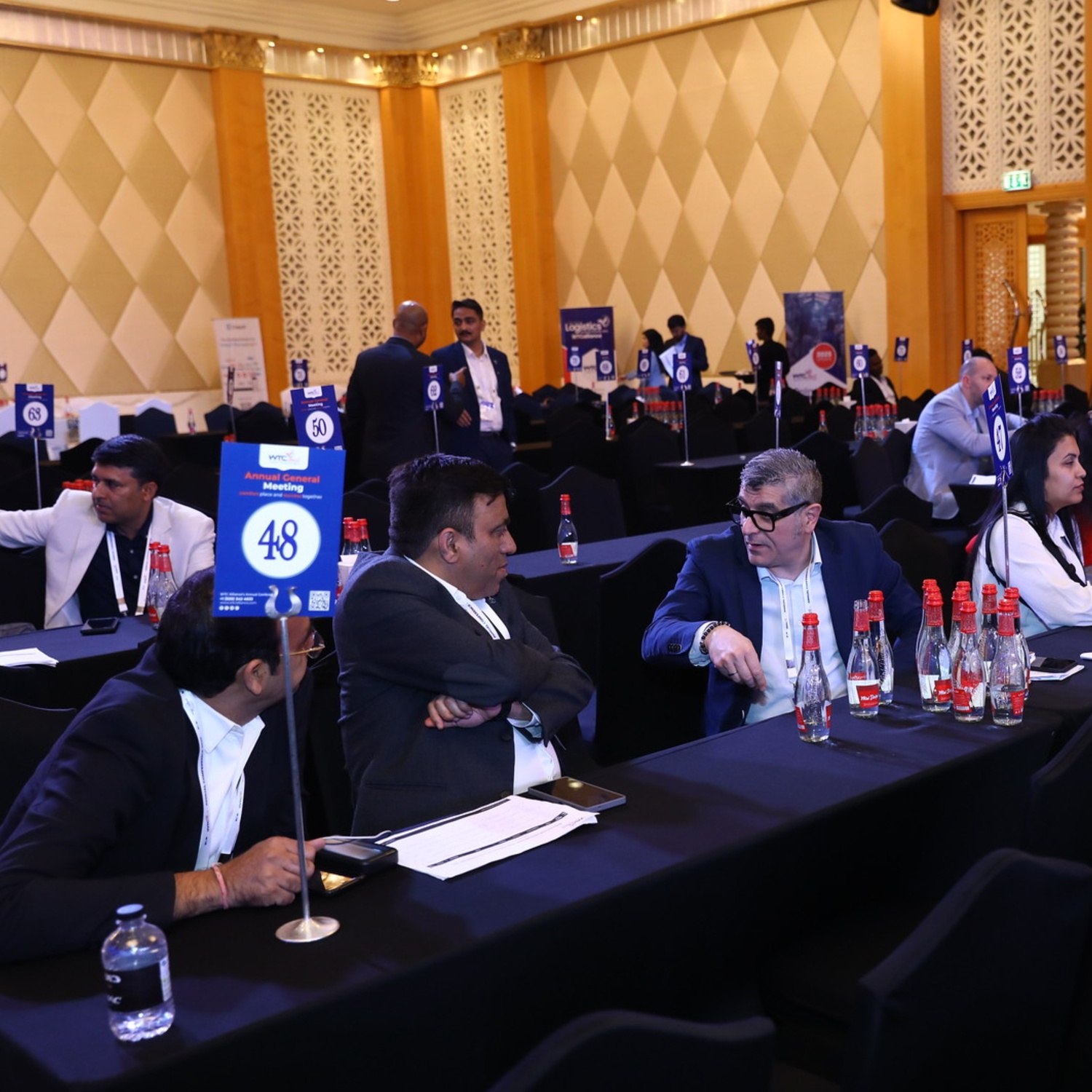
This idea distinguishes WTCalliance from other logistics networks: it builds long-term partnerships based on trust and mutual growth, rather than just connecting companies.
Unlike separate alliances, the WTCalliance has a global and grassroots structure. The organization blends advanced technological infrastructure with human-focused collaborative ideas.
Key differentiators include:
This combination tackles the root cause of inefficient freight networks, which is a lack of dependable worldwide connectivity.
As the WTCalliance's AGM 2025 concluded, a single message resonated among every participant: the freight forwarder for tomorrow cannot thrive in isolation. In a volatile market, resilience relies on networks that promote transparency, trust, and technological innovation.
The freight forwarding conference 2025 did more than just hold discussions; it paved the way for a redefined future of global logistics, one based on stronger partnerships and deeper connections.Understand WTCalliance's goals and why it is the world's leading logistics partnership.
If you are a freight forwarder looking to develop your worldwide alliances and increase your operational react, now is the moment to join WTCalliance, which is your path to dependable collaboration, smarter logistic solutions, and an united global network.
Copyright © 2026 All Rights Reserved by WORLD TOP CARGO ALLIANCE LTD
Design and Developed by infinGlobal